Raas Leela Kirtana: Bridging the Ancient Heart of Kirtan with the Sound of Today
by Gopala Bhakta
A Journey into Devotion, Meditation & Sacred Sound
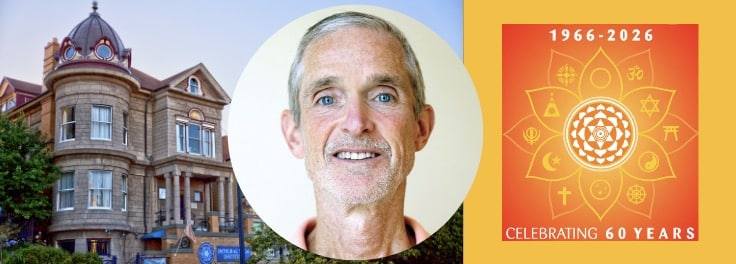
On Saturday, November 21, Raas Leela Kirtana will be honored to share an evening of Sankirtan with the beautiful community of Integral Yoga Institute San Francisco as part of our Heart of Bhakti: Northern California Fall Tour 2026.
For us, Kirtan is much more than music. It is a spiritual practice—a way of bringing the mind, heart, voice, breath, and community together through the transformative power of sacred sound.
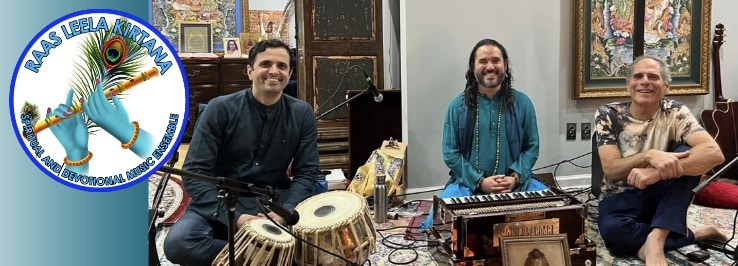
Raas Leela Kirtana is a Los Angeles-based devotional ensemble rooted in the ancient Bhakti Yoga tradition, with a focus on traditional mantras, bhajans, sacred chanting, meditation, and collective musical expression. Led by founder Gopala Bhakta, the ensemble brings together vocals, harmonium, tabla, sitar, guitar, handpan, percussion, and other musical elements to create an immersive and participatory experience.
At the heart of our music is a simple invitation: come as you are, sing with us, listen deeply, and allow the vibration of sacred sound to carry you inward.
Honoring Tradition While Creating a Contemporary Sound
One of the qualities that makes Raas Leela Kirtana unique is our desire to bridge two worlds: the traditional depth and devotional essence of Kirtan with a contemporary musical sound that is accessible to modern audiences.
We deeply honor the sacred traditions from which Kirtan and Bhakti Yoga arise. At the same time, we recognize that music can create a bridge for people who may be encountering these practices for the first time.
Our sound therefore combines traditional mantras, bhajans, and call-and-response chanting with contemporary musical arrangements, rich harmonies, rhythmic textures, and an expansive sonic atmosphere.
The result is an experience that can move between the uplifting, celebratory energy of devotional chanting and the quieter, more meditative qualities of sacred sound.
There can be moments of joy and movement, moments of deep stillness, and everything in between.
For us, these aren’t separate experiences. They are different expressions of the same devotional journey.
The Uplifting Power of Kirtan and the Healing Quality of Sound
Kirtan has the remarkable ability to bring people together through participation. Rather than simply listening to musicians perform, everyone is invited to become part of the music.
Through call-and-response chanting, the repetition of sacred names and mantras, rhythm, breath, and collective singing, the boundaries between performer and audience begin to dissolve.
The room becomes a shared field of sound.
This participatory quality is central to our approach. Whether someone has practiced Kirtan for decades or has never experienced it before, there is no musical experience required. The practice itself becomes the teacher.
At the same time, we are deeply interested in the meditative dimensions of vibration and sound. Repetition of mantra can naturally quiet the mind, while the resonance of voices and instruments can create an environment for listening, contemplation, and inner stillness.
In this way, our music seeks to hold both sides of the Kirtan experience: the uplifting devotional energy of singing together and the deeply meditative experience of resting in sacred vibration.
Inspired by the East-West Bridge of Paramahansa Yogananda
An important influence on our understanding of sacred sound is the work and teachings of Paramahansa Yogananda, whose spiritual mission helped introduce the practices and philosophy of Yoga to a wider Western audience.
Yogananda spoke deeply about the spiritual power of sound, vibration, chanting, and devotional practice. His teachings helped establish an important bridge between the ancient spiritual traditions of India and the modern West, making practices of meditation, devotion, and sacred chanting accessible to people from many different backgrounds.
His perspective on music as something capable of carrying spiritual energy continues to inspire us.
We see Kirtan in a similar light—not simply as a musical genre, but as a practice through which sacred names, intention, devotion, and vibration can come together.
This East-West bridge is part of what inspires Raas Leela Kirtana to present traditional devotional music in a way that remains authentic to its spiritual roots while also speaking naturally to contemporary listeners.
A Shared Practice, Not Simply a Performance
Our hope for an evening of Sankirtan is not to create a conventional concert where people simply sit and watch.
Instead, we hope to create a space where we can practice together.
The musicians may lead the chanting, but the community creates the experience.
A mantra begins with one voice, expands through the ensemble, and eventually becomes the voice of the entire room. Through this collective process, Kirtan can become an experience of connection—to ourselves, to one another, and to the sacred presence within and around us.
This is why we believe Kirtan can be both deeply personal and profoundly communal.
It can be joyful and contemplative.
It can be energizing and calming.
And it can offer a simple doorway into the present moment.
Sharing the Heart of Bhakti in San Francisco
Our Heart of Bhakti: Northern California Fall Tour 2026 is an opportunity for us to bring this experience to communities throughout Northern California, traveling from Santa Barbara through the Central Coast, Santa Cruz, San Francisco, and ultimately Nevada City.
We are especially excited to share this evening at Integral Yoga Institute San Francisco, a community with such a longstanding dedication to the teachings and practices of Yoga, meditation, peace, and spiritual connection.
We feel a beautiful resonance between the contemplative spirit of Integral Yoga and the practice of Sankirtan, where sacred sound becomes a pathway toward inner awareness, devotion, and connection.
It is with great joy that we look forward to gathering with the Integral Yoga Institute SF community and sharing this powerful practice together.
Join us Saturday, November 21, from 7:00–8:30 PM for an evening of Kirtan, sacred sound, devotion, meditation, and community.
No previous experience with Kirtan is necessary. Simply bring your presence, your voice, and an open heart.
Listen to Our Conversation About the Tour
For those who would like to learn more about Raas Leela Kirtana, our musical journey, and the inspiration behind the Heart of Bhakti: Northern California Fall Tour, we are also sharing a recent interview podcast.
In the conversation, we talk about the tour, our approach to Kirtan and Bhakti Yoga, and the deeper inspiration behind sharing this practice through music.
We’d be delighted for the Integral Yoga Institute community to listen and, if it feels appropriate, share the interview with your audience as another way for people to connect with the tour and learn more about the heart behind the music.
🎙️ Listen to the Raas Leela Kirtana Tour Interview:
Watch the interview on YouTube
We look forward to gathering in San Francisco and sharing the transformative experience of Sankirtan—the practice of coming together through sacred sound.
With devotion and joy,
Gopala Bhakta
Raas Leela Kirtana