Take your final bow, 2020

by Jaymie Meyer
As a young girl, I spent part of my summers with my grandparents in Deal, NJ. My days were spent at the beach, where I reveled in the violent surf. The undertow on the Jersey shore can be quite dangerous, so there were lifeguards on duty. Even on days when it was safe, the waves would crash towards the shore and I would charge into them, being the reckless and resilient tomboy I was. I’d squeal with laughter as the waves slammed into me again and again. Even as I was tossed about and more often than not ended up with a bathing suit full of sand and a mouthful of saltwater, I loved it. I went back for more.
2020 has reminded me of those beach days—only it’s not fun. I feel like we’re being slammed again and again and again, not just nationally, but on a global scale. We are in a collective mess right now. Pick your cause, as there are no scarcity of topics to choose from.
In midst of so much havoc, I am comforted by the words of the late great Ruth Bader Ginsberg, “We are not experiencing the best of times, yet I am optimistic in the long run. A great man once said that the true symbol of the United States is not the bald eagle. It is the pendulum. And when the pendulum swings too far in one direction, it will go back.”
And so, there is light at the end of the tunnel.
We have a new administration. Even as we remain separated on many issues, it seems there will be an attempt to bridge disparate points of view and cultivate collaboration instead of separation. We have a vaccine on the horizon, however long it may take to roll out and however complicated the process may be (and it’s plenty complicated).
As strange as it is for me to wrap my brain around, I am filled with gratitude. Please don’t take that to mean I’m putting on the Pollyanna and glossing over social unrest, political divides, environmental imperatives, or the obscene and tragic loss of life from COVID-19.
I’m grateful because I think I’ve learned more this year than I have at any time in my adult life. I’ve learned how much I don’t know and how much I still have to learn. While I was raised in a home where values of equality and tolerance were taught, I learned that I was still missing the mark. I’m refining my own understanding, and no doubt will be doing so for the rest of my life. I’m honest to god thrilled to be living in a time where I can see how far we’ve come as a society, and how much farther we have to go.
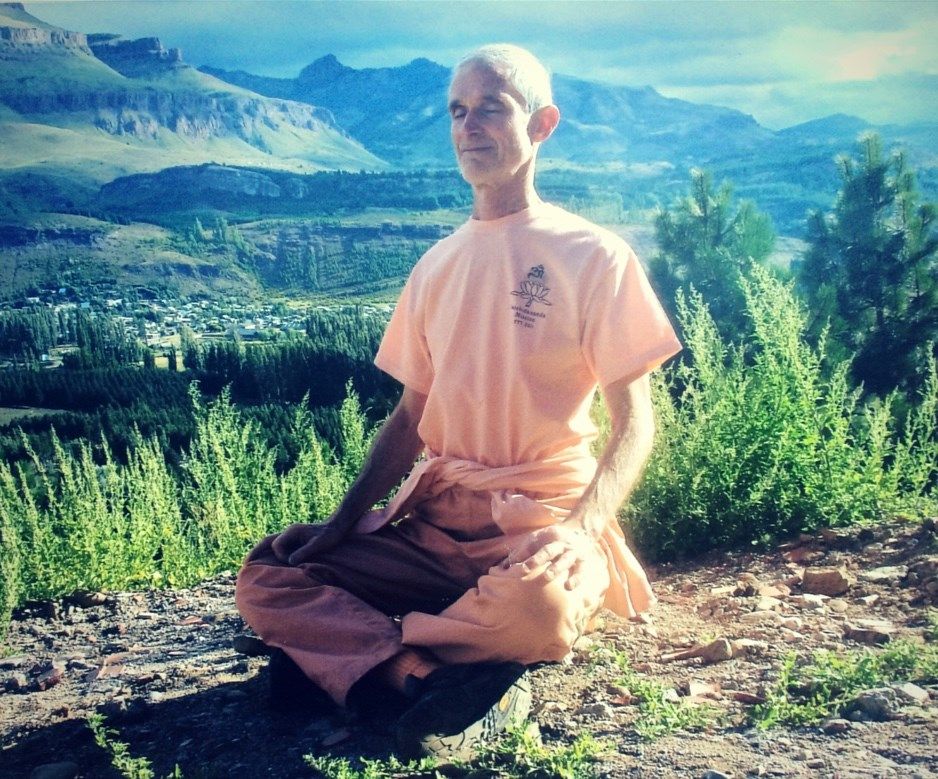
I don’t know how I would have survived this year as well as I have without a personal practice. There’s a saying among the ancient eastern sages that we learn breathing and meditation techniques during the good times so we can use them in challenging times. Well, hello challenge! I’ve been meditating for 27 years and am deeply committed to a daily practice of yoga, breathing, and meditation. It’s non-negotiable.
My practices are vital in helping me practice detachment. In the ancient Vedic and Buddhist scriptures, practicing detachment doesn’t mean we don’t care; it means we are able to witness our concern and caring and not be controlled by it. When we are informed by it rather than pummeled by it, we can make conscious, informed decisions.
While the waves of uncertainty and conflict continue to crash around us and will no doubt be daunting for the near future, I am so very grateful for the tools that have helped me stay healthy, be of service, and remain vital.
I wish you and yours a healthy holiday season and the resilience to stay the course as we anticipate better times ahead. Let us keep those who are working so hard in hospitals and other healthcare environments the world over in our thoughts and prayers. They are the collective heroes of our time.
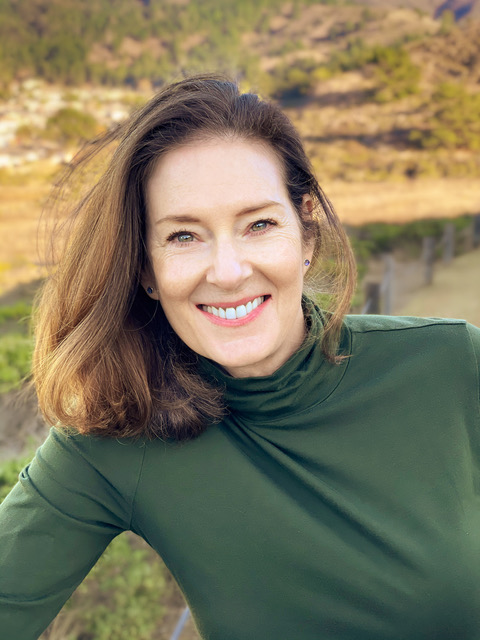
Jaymie is the founder of Resilience for Life®. Over the past 19 years, she’s educated thousands of people in stress reduction and resilience. A National Board-Certified Health & Wellness Coach, Jaymie is a licensed HeartMath provider with certifications in Ayurveda, and yoga therapy (C-IAYT). A veteran yoga therapist and educator, Jaymie most frequently serves those in mid-life who have any combination of concerns including stress, anxiety, back pain, poor sleep, balance issues, heart disease, insomnia, osteoarthritis, osteoporosis and chronic pain. In addition to teaching the Therapeutic Class on Wednesdays, Jaymie serves as a Yoga for Arthritis mentor. As a Health and Wellness coach, she works online with clients, focusing on stress reduction, weight control and optimal sleep. www.resilienceforlife.com