How Trauma Sensitive Yoga Changed My Life
by Kelsey Gustafson

There are few choices that stand out in my life as having changed everything.

Deciding to become trained professionally in Trauma Center Trauma Sensitive Yoga has been the most helpful and profound investment I have made in the last decade.

I’ve been reflecting on how I got to be here – teaching trauma sensitive movement full time. And there was a pivotal moment that changed everything for me. 

Here’s the story…

I was deep into my personal healing journey when I first realized that something was missing. I had been teaching yoga for 5 years and was leading retreats, workshops and classes regularly.

While I was in Guatemala leading a retreat, one evening we facilitated a cacao-infused ecstatic dance with a live DJ.

It was a gorgeous scene with the sun setting over the lake and people dancing around, touching each other and laughing, all in their perfect outfits.

However, I felt myself inching away from the scene.

When I stepped back, I noticed a woman on the edge, also looking at the scene, just observing. 

In my mind I called her “the girl in the shadows” – and I recognized her as part of me.

I started to get curious about her and I realized…

  • She wants to move slower.
    • She wants to build safety before diving into intimacy.
    • She wants support creating and upholding healthy boundaries.
  • She wants choice and agency with how she moves.
    • She wants to be invited to go at her own pace.
    • She wants to actually feel safe enough to connect to herself. 
  • She wants to feel her body on her own terms.
    • She doesn’t always want to touch other people or be touched.
    • She can’t always access her body (let alone bliss). 
  • So she sometimes feels left out or left behind in the yoga scene.

I realized that I needed to make space for that part in me. 

I realized that so much of what I had been taught as yoga was inaccessible to her.

I realized that I wanted to learn how to teach to “the girl in the shadows.”

So I flew to the east coast where I began an in-depth training in Trauma Sensitive Yoga. This training changed everything for me.

I learned that cathartic, intense release is not always helpful for trauma survivors. I learned the importance of consent in facilitating. I learned to teach from a place that honors power dynamics and invites personal autonomy. 

It became clear to me why I felt so uncomfortable pushing bliss.

Forcing or pushing happiness is just as toxic as forcing pain. 

From my new perspective, I have the tools to hold space for the full spectrum of emotions and experiences that come up for people on their healing journey.

My compassion and love for my work has grown tremendously. 

I am so incredibly grateful to be able to confidently work with trauma survivors. 

If you are a yoga teacher, therapist, clinician or facilitator who wants to grow your skill in holding space for trauma healing, join me for an introductory training in trauma informed care.

In one afternoon, I will share the essential tools that I use in my full time practice as a somatic trauma resolution facilitator.

This training is perfect for yoga and movement teachers, therapists, counselors, psychologists, healthcare professionals, teachers, activists, healers, caregivers, and anyone who wants to learn the theory and practice of trauma informed care.

Join the growing field of trauma treatment. Be a grounding force in chaotic times. We need you! 

Our next workshop on Teaching Trauma Sensitive Yoga will be offered online, Saturday May 9 from 1:00-5:00pm PST. More information and registration here.
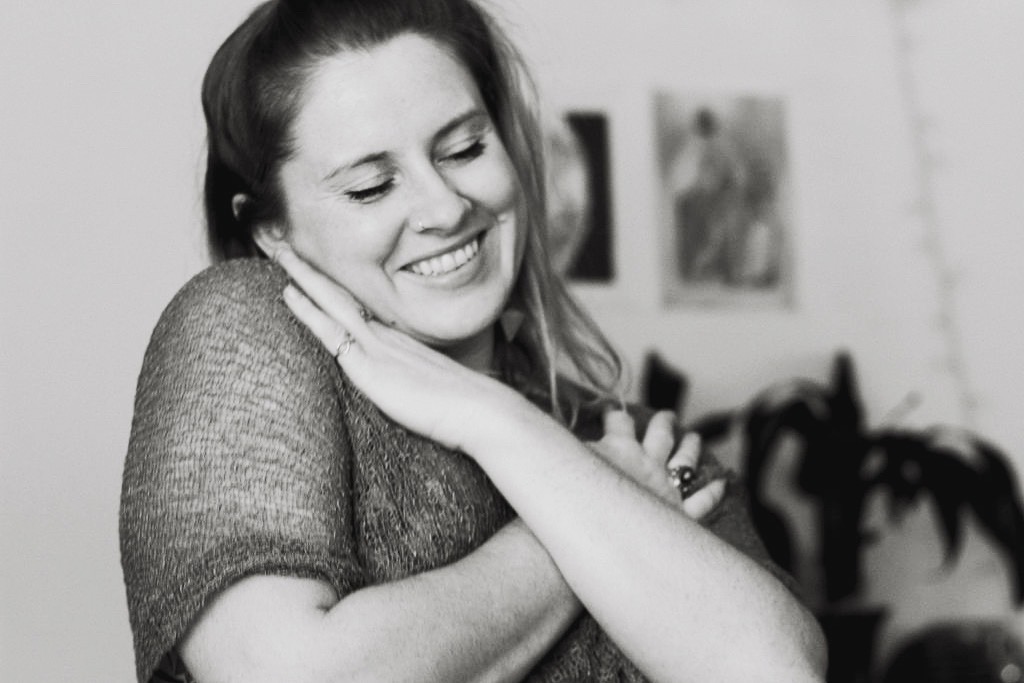

Kelsey Gustafson, RYT 200, TCTSY-F, has been teaching yoga for 10 years and has over 1,000 hours of training in yoga and healing arts. In 2015, Kelsey became the first Trauma Sensitive Yoga Facilitator in the state of California when she graduated from the advanced TCTSY certification program through the Center for Trauma & Embodiment. She has a private practice in Oakland where she combines the Trauma Sensitive Yoga method with Somatic Experiencing. Kelsey is on the teaching team for the Rebloom Trauma Training and also facilitates group classes in somatic trauma healing and trainings for professionals who want to become more trauma informed.
2020-05-04T12:29:08-07:00May 4th, 2020|

Sending Prayers

by Swami Ramananda

As some of us discussed the strange feel of this life with social distancing, we expressed both a sense of gratitude for being safe and healthy, and a deep pang of sorrow for those many souls who are suffering.  Those in my immediate circle of friends are relatively unaffected, but we all know that there are millions struggling to survive or find a foothold of peace as their lives are being swept away from beneath their feet.

We may find small ways to serve our local communities, but how do we offer support to the many others far away who are in dire need? One of the most powerful things we can do is to send prayerful energies.  In doing so, we open our hearts and express our compassion on a spiritual level where we truly are connected with everyone.  

When I was young and searching to really experience something instead of just accepting things on faith alone, I rejected the whole concept of prayer. The idea of sending my love to others or reaching out to some Supreme Being that would hear and respond to my thoughts was just too abstract for me.  Now, through the teachings and practices of Yoga, I have come to a much different understanding and experience of prayer.

It helped me to understand that our minds have a limited capacity to know the truth and to comprehend our interconnection with each other and all of life. Prayer is an action taken from a deeper place within ourselves that is unaffected by the fears and doubts in the mind. When we willingly step outside the confines of the mind, as we do in meditation, we touch the spiritual ground of being we all share. It is from here that we can consciously send our sincere prayers for others to suffer less, to be protected and to find peace.

Those of us living in the New York Institute when the twin towers came down in 2001 found praying to be a powerful way to express our heartfelt intentions to serve when there was little else we could do. Now, this crisis is showing us in ways that no other event has that we must come together as a global family to face this pandemic and support the already marginalized populations that are suffering the most. 

Sri Swami Satchidananda suggested that we use whatever form of prayer comes naturally to us and engage our whole being in sending it. It may help to feel that we are generating a sense of peace or a healing energy within ourselves, and then sending these prayers outward through the heart. Creating such intentions circulates these energies throughout our own systems first, and directing them outward makes them accessible to all who are able to receive them. 

I have led many gatherings of people in prayer this way and found it to be, without fail, a tremendous healing experience for those praying, and I feel certain for those being prayed for as well. 

Soon after we began sheltering in place, the residents of the Institute here in San Francisco began to gather each evening to send prayers out to all who are suffering from the pandemic.  The group transmits this intention by chanting 54 repetitions of the Tryambakam mantra, a traditional mantra used for protection, healing, and rejuvenation. 

I’m glad for this but I still wonder:  when the immensity of suffering and loss from this virus is eventually revealed to us in tragic detail, are those of us who are safe and secure going to ask ourselves if we did enough? Though it may seem insignificant to the mind, let us all make time each day to think of and send out prayerful thoughts to those in need. I feel sure this will bring solace to many in ways we’ll never know.


Swami Ramananda is the President of the Integral Yoga Institute in San Francisco and a greatly respected senior teacher in the Integral Yoga tradition, who has been practicing Yoga for over 35 years. Ramananda offers practical methods of integrating the timeless teachings and practices of yoga into daily life, and transforming the painful aspects of human experience into steps toward realizing one’s full potential.

He leads beginner, intermediate and advanced level yoga teacher training programs in San Francisco, and offers a variety of programs in many locations in the U. S., Europe and South America. Ramananda trains Yoga teachers to bring Yoga into corporate, hospital and medical settings and has taught mind/body wellness programs in many locations. He is a founding board member of the Yoga Alliance, a national registry that supports and promotes yoga teachers as professionals. His warmth, wisdom and sense of humor have endeared him to many.

2020-05-02T06:35:56-07:00May 2nd, 2020|

Another Contemplation on Renunciation

Renunciation is not a negation of possessions and a withdrawal from worldly pursuits.  It is the conscious choice to create a healthy relationship to those things — one in which we are free to enjoy the world without depending on things or events to bring happiness.  We are free to enjoy life fully when we are content within ourselves instead of anxiously looking for something to make us feel good.

2019-03-06T16:18:56-08:00March 6th, 2019|

The True Meaning of Renunciation


Many of us may think of renunciation as a practice for monks that involves austerities and a withdrawal from worldly involvement. But the true spirit of renunciation is something every spiritual seeker must come to terms with. Letting go of worldly pursuits is not for everyone, but letting go of attachment to them is an inevitable part of the spiritual path. We decided to practice this for the month of March.

Sri Swami Satchidananda clarified renunciation by explaining that there is nothing wrong with having a nice home and all the things necessary to live comfortably and earn a livelihood. There is nothing wrong with pursuing our goals and achieving success. The problems begin when we think that all we acquire and or achieve is the source of our happiness.

But we dwell in a culture that bombards us with that very thinking and leads to a relentless effort to make happiness happen, bringing unending cycles of excitement, frustration, anger and anxiety. Practicing renunciation can be for us a conscious step toward freeing ourselves from this prison of dependence on outer conditions for peace of mind.

While we need not get rid of our possessions and goals, we can reflect on the ways that unhealthy attachment to them is creating tension and disturbance, instead of happiness. We can question the necessity of what we own and let go of accumulations that clutter our homes. We can analyze our patterns of consumption and notice when we are buying things to reward ourselves without really needing them.

Renunciation may be most potently practiced in our attitude towards our actions. Whenever we observe that we become anxious anticipating the outcome of our efforts, or angry because we didn’t succeed, we have the opportunity to see how our suffering is self created – how it is our attachment to controlling events that makes us anxious or angry. We have chance to practice being at peace with making our best effort, reminding ourselves that while the outcome is often out of our control, our peace of mind need not be.

We can examine how we rely on the admiration of others to feel good about ourselves and how we sometimes “spin” the truth to protect our reputation – another from of self-imposed dependency that compromises our values. If we truly want to our choices to be guided by a concern for the well-being of everyone and the spiritual principles we aspire to live by, we must be ready to renounce the motives of the ego-mind that always wants to know the answer, stand out and look good.

Doing so doesn’t mean sacrificing our happiness. On the contrary, when we let go of our attachment to the opinions of others and align ourselves with a higher Will, we open ourselves to Grace, to a vast source of light that can illuminate and energize our lives.

All of these efforts to practice renunciation contribute to shedding the physical, emotional and mental attachments that can unnecessarily burden our being. Embracing this intention, we can cultivate awareness of the habits and thought patterns that no longer serve us, and make a conscious choice to release them, opening the door to new ways of living that bring greater peace to the mind and joy to the heart.

2019-03-02T18:23:27-08:00March 2nd, 2019|
Go to Top